

A Non-Surgical, Drug-Free Solution to Take Back Your Life
Living with chronic pain can affect every part of your life—from walking and working to sleeping and enjoying time with family. If medications, injections, or surgery have not helped enough, Peripheral Nerve Stimulation (PNS) may offer a new path forward. Dr. Aaron Mates uses the advanced Freedom™ PNS system to optimize patient outcomes.
What Is Peripheral Nerve Stimulation?
Peripheral Nerve Stimulation (PNS) is an advanced treatment designed to reduce chronic pain by targeting the specific nerve causing it.
It works by delivering gentle electrical signals near the affected nerve. These signals help block pain messages before they reach your brain so you feel relief instead of discomfort.
Unlike medications, PNS focuses directly on the source of pain rather than masking symptoms.
How Does the Freedom™ PNS System Work?
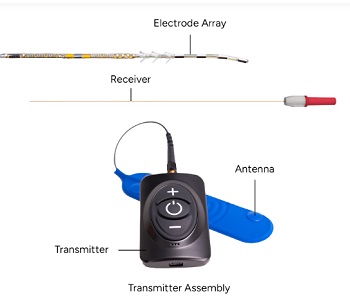
The Freedom™ Peripheral Nerve Stimulation System uses a small implanted device and an external wearable to manage pain effectively.
- A tiny stimulator is placed near the problem nerve
- A wearable transmitter powers the device through the skin
- Gentle pulses calm overactive pain signals
- This system uses advanced high-frequency electromagnetic technology, meaning there’s no bulky internal battery.
What Conditions Can PNS Help Treat?
PNS is designed for chronic pain caused by specific nerves, including:
- Chronic knee pain (after surgery or injury)
- Foot and ankle pain
- Shoulder or joint pain
- Nerve-related pain (burning, tingling, shooting)
- Post-surgical pain
- Peripheral neuropathy
It is especially helpful when:
- Pain has lasted for months or years
- Other treatments haven’t worked
- You can point to a specific area of nerve pain
Benefits of Peripheral Nerve Stimulation
PNS is recommended because it has the following benefits:
- Targeted Pain Relief: Directly treats the nerve causing pain
- Minimally Invasive Procedure: Typically done as an outpatient procedure with small incisions
- Drug-Free Option: Reduces reliance on opioids and pain medications
- Proven Results:
- Up to 70% pain reduction reported in studies
- 47% reduction in medication use after treatment
- Improved Quality of Life: Many patients return to walking, working, and daily activities
What is the PNS Treatment Process?
Consultation
A specialist evaluates your pain and determines if PNS is right for you.
Trial Phase
You’ll first try the therapy temporarily to see how much relief you get.
Permanent Implant (If Successful)
If the trial works well, a long-term device is placed for ongoing relief.
Is Peripheral Nerve Stimulation Right for You?
You may be a good candidate if you:
- Have chronic nerve-related pain
- Haven’t found relief with medications or therapy
- Want a non-opioid, minimally invasive option
- Have had success with nerve blocks or similar treatments
To find out more, schedule a consultation with our office
For more information about our services or to schedule an appointment, call us at or click here to request an appointment online. We’ll respond to you as soon as possible.